

The Architect on the French Riviera — the central figure in the process
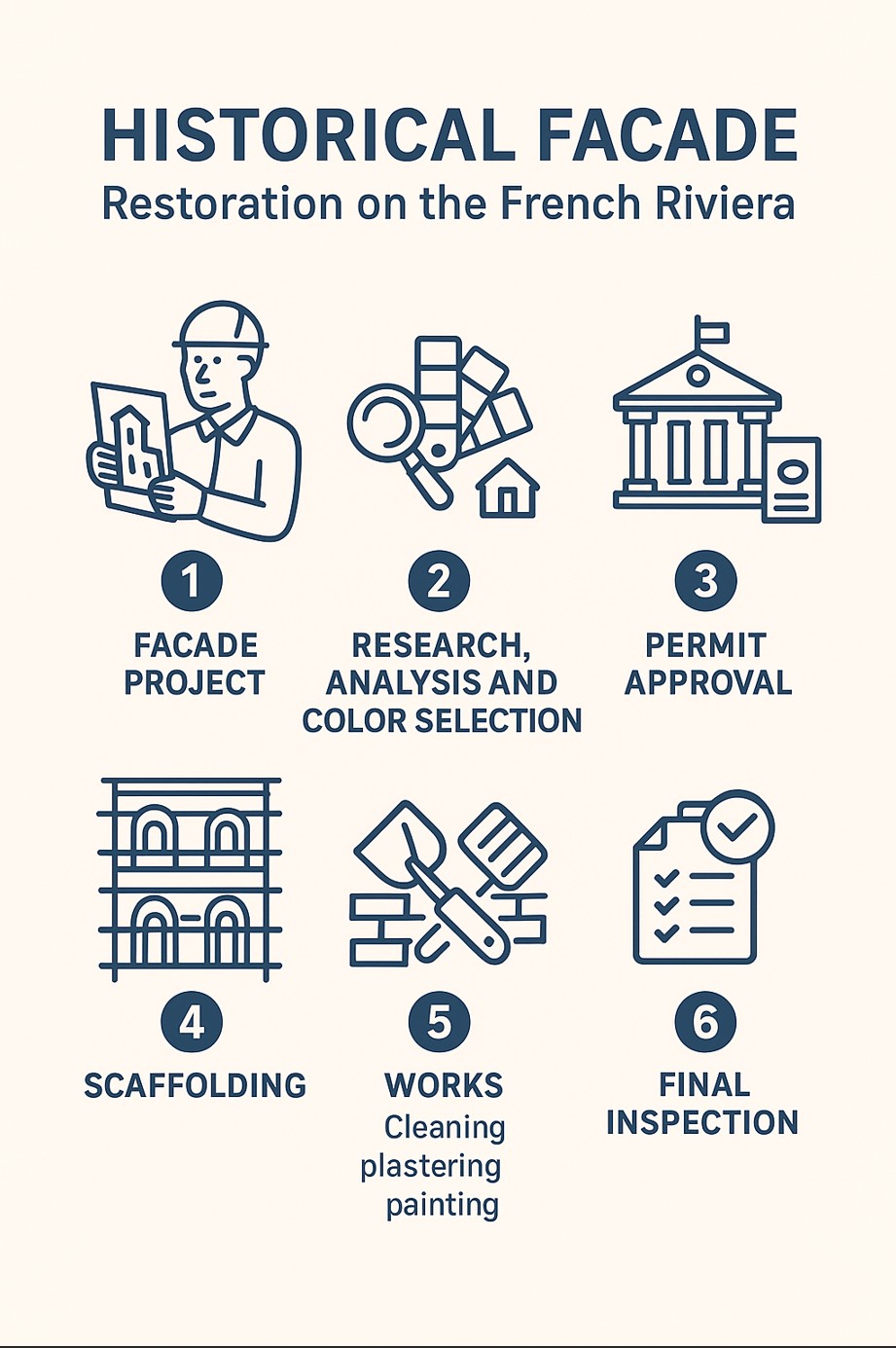
On the French Riviera, the owner of a historic building usually does not submit documents or choose the facade colors independently. This is handled by a competent architect or restoration architect who accompanies the project from inspection to obtaining the work permit.
They are responsible for:
-
diagnosing the condition of the facade and analyzing old layers of plaster;
-
selecting the color palette in accordance with municipal recommendations and the historical context of the street;
-
preparing and submitting the Déclaration Préalable de Travaux — a preliminary notification for facade renovation;
-
coordinating with Architectes des Bâtiments de France (ABF) if the building is in a protected zone.
The architect is not a formality, but a guarantee that the project complies with city rules and architectural preservation standards.
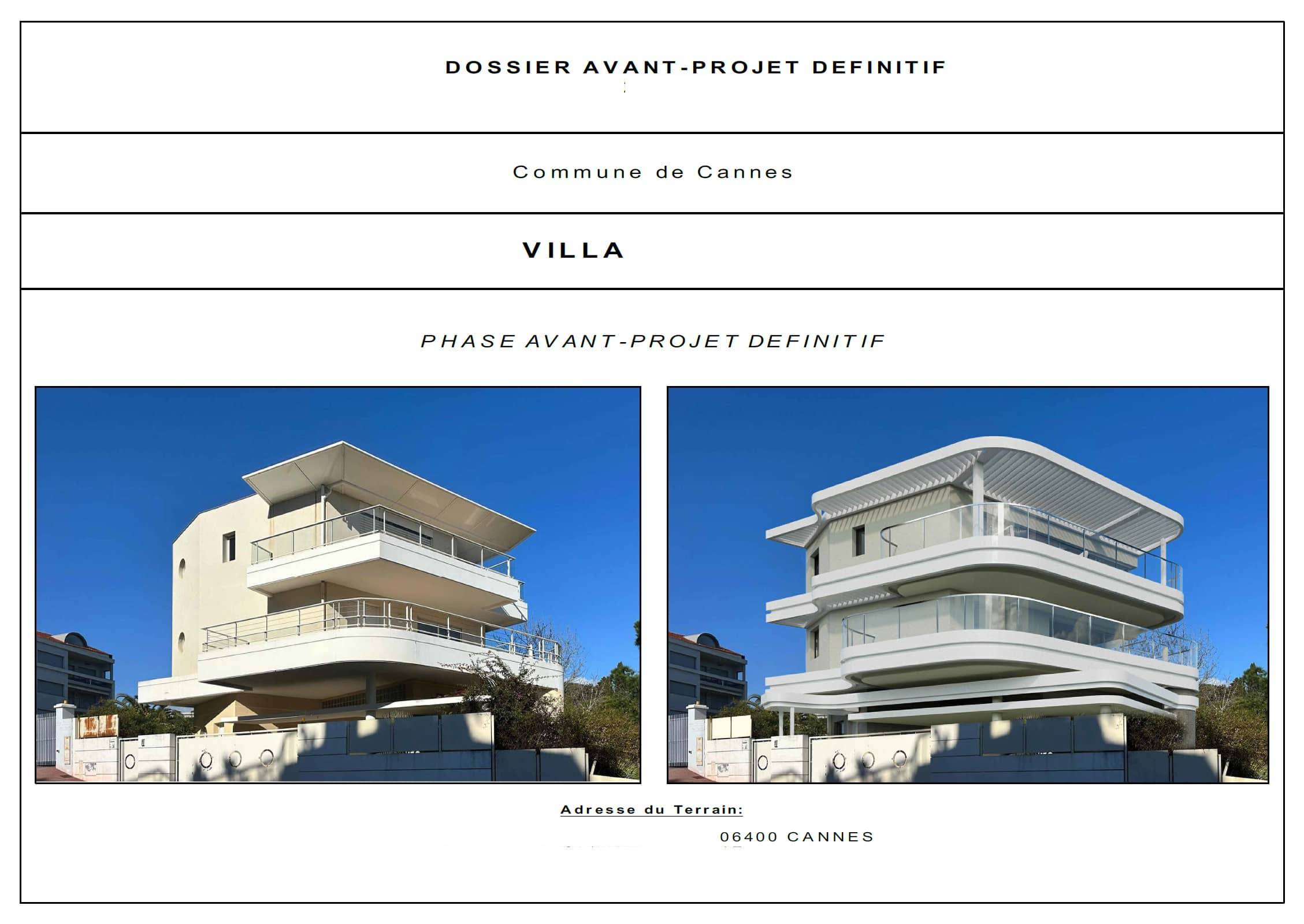
Facade color research and selection
Before starting a villa renovation, pigment and material analysis is carried out to determine the original shade of the facade and plaster composition.
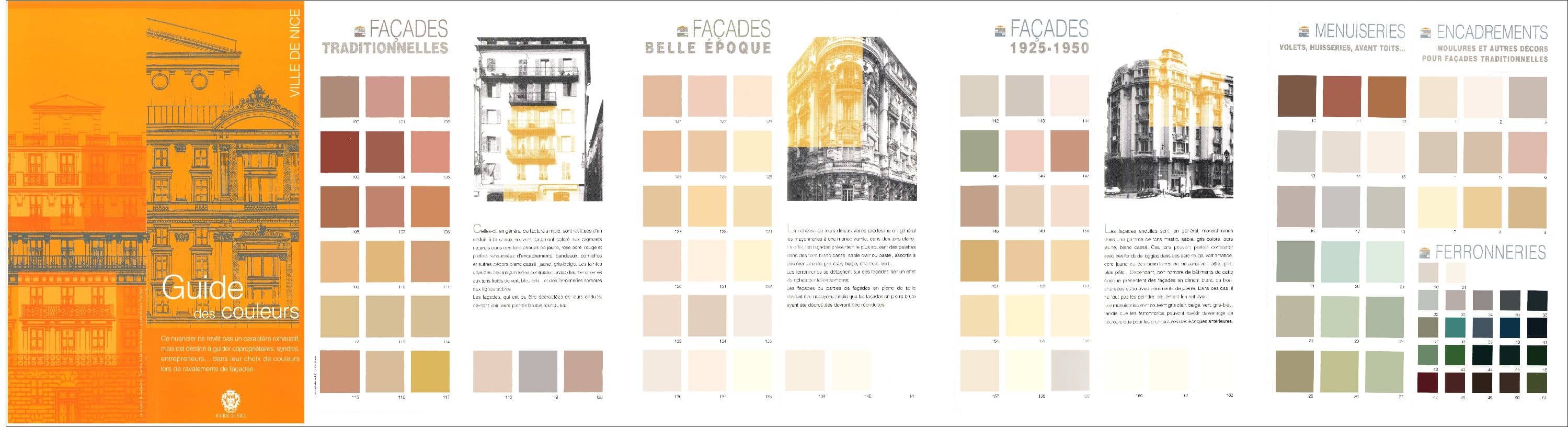
Each city on the French Riviera has its own nuancier — a color guide indicating permissible tones for walls, windows, shutters, and metal details.
For example, in Nice, the official page on “Travaux / ravalement” includes the relevant section: “Nuancier de couleurs – Ville de Nice” on the city’s website Ville de Nice.
In Cannes, facade regulations and architectural styling are reflected in the PLU section “Plan local d’urbanisme”. cannes.com
In Menton, the “Plan de Sauvegarde et de Mise en Valeur (PSMV)” specifies conditions for materials and facades. menton.fr
In Monaco, the official facade palette is available: “Obtenir la palette des couleurs de la Principauté de Monaco”. monentreprise.gouv.mc
Color selection is not a matter of taste but part of architectural legislation.
Facade insulation — how to obtain permission?
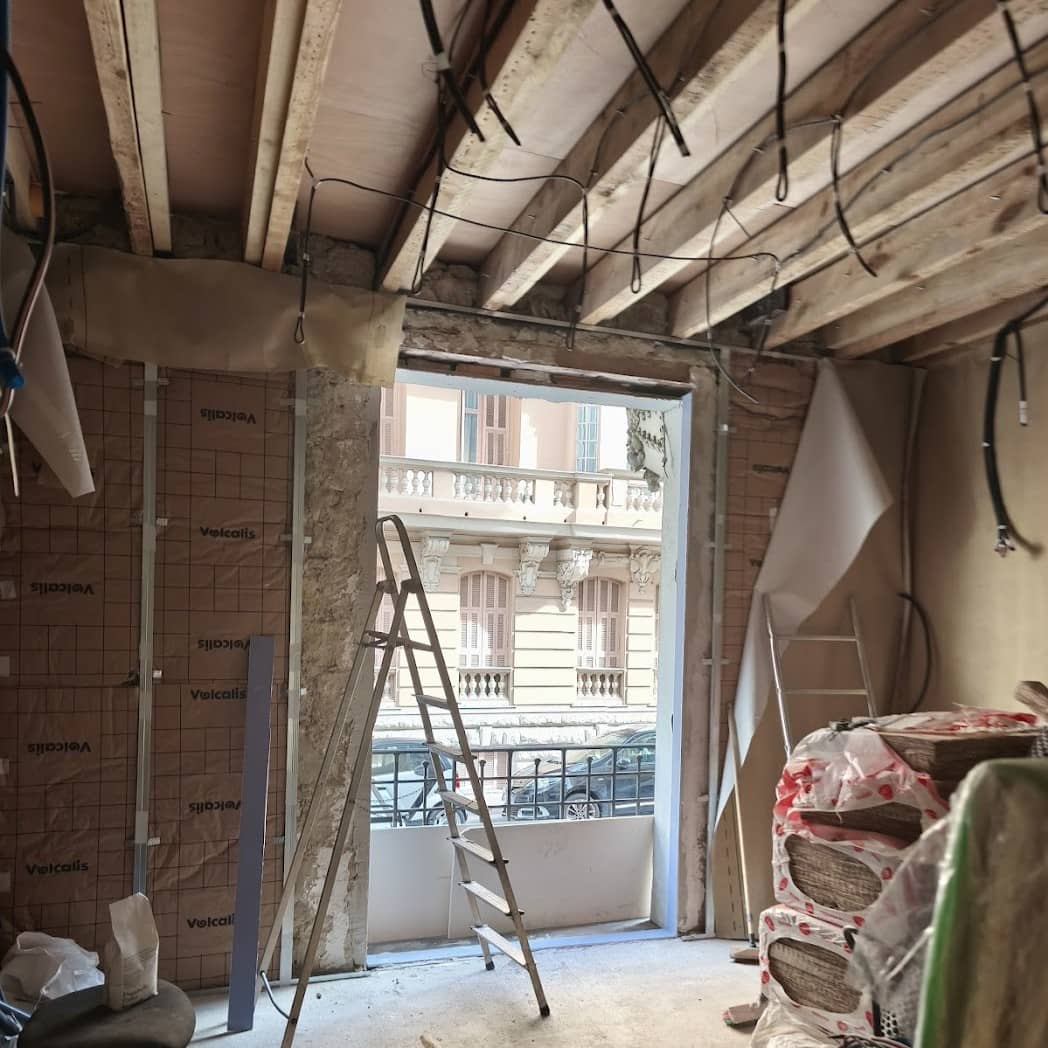
Facade insulation on the French Riviera allows not only to update the villa design but also to improve energy efficiency, reduce heating and air conditioning costs, and enhance living comfort.
On the Côte d’Azur, external insulation is strictly regulated: work requires municipal authorization as it alters the building’s appearance. The main documents are the French Town Planning Code and local Urban Planning Plans (PLU). Depending on the scope, a Déclaration Préalable or Permis de Construire may be required. In historic and protected zones, only approved materials may be used.
Benefits of facade insulation:
-
reduces heat loss and saves energy;
-
protection against moisture and temperature fluctuations;
-
increases comfort inside the building;
-
extends facade lifespan and reduces maintenance costs.
If external insulation is impossible, internal insulation is an option (see a separate article on our website).
From the project to obtaining a facade renovation permit
After determining the materials and palette, the architect prepares the project and submits it to the city hall.
Depending on the building’s category and location, the permit is issued by city authorities or coordinated with ABF.
The application includes drawings, diagrams, and descriptions of all planned work.
Review usually takes several weeks. Only after obtaining the official permit can construction work begin.

What a typical facade renovation project includes
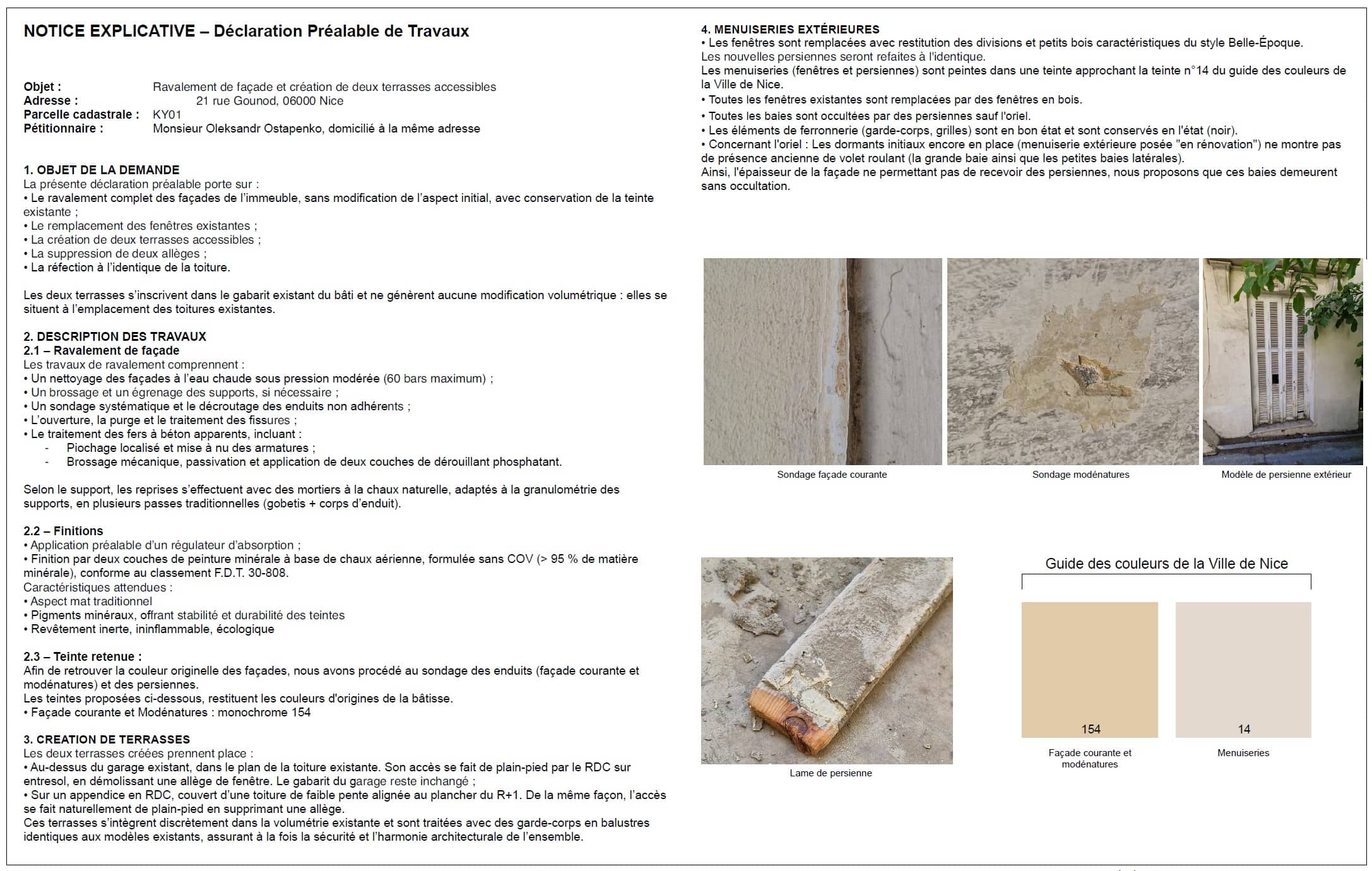
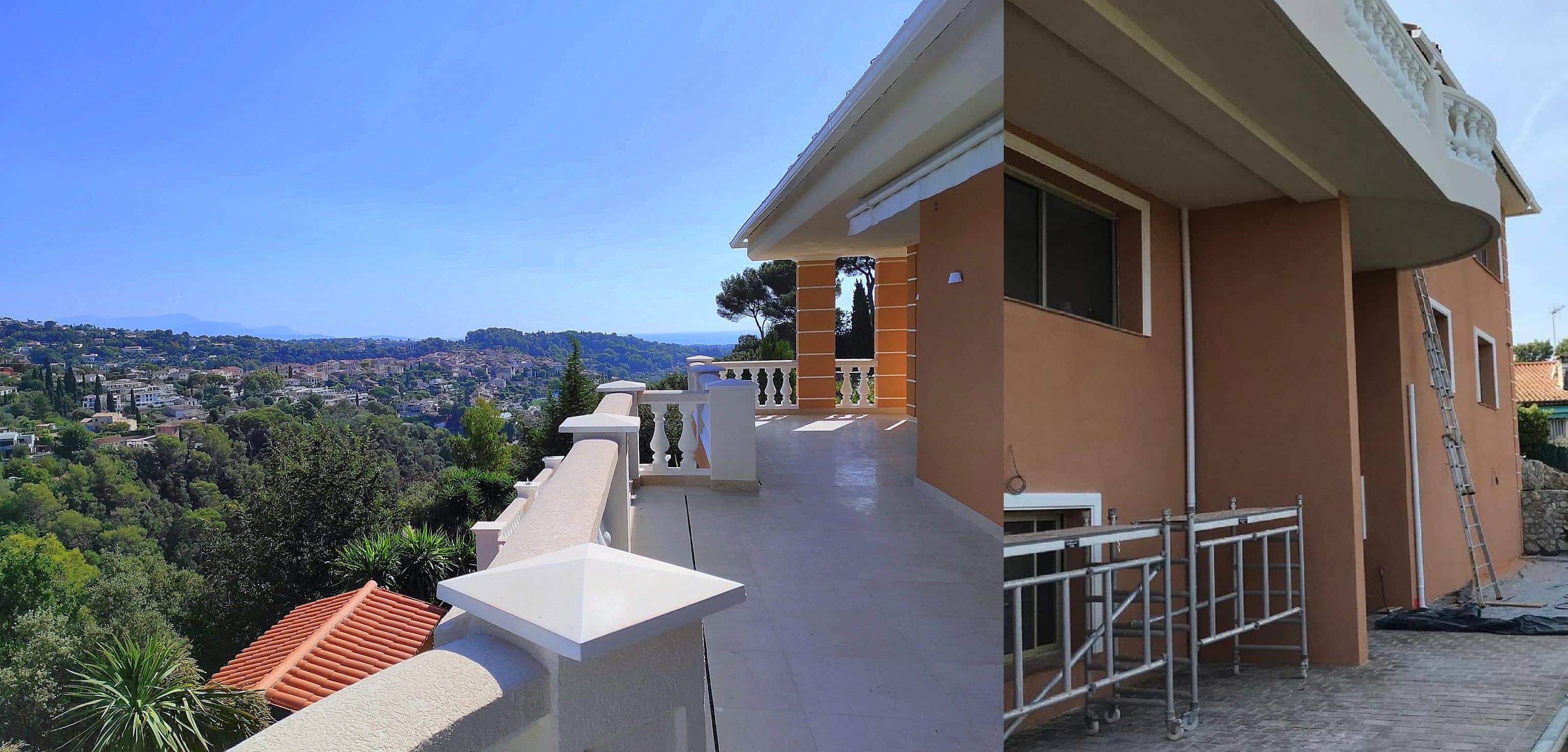
Typical projects on the French Riviera include a set of restoration measures aimed not at altering the appearance, but at restoring the original state of the facade. Here is one example:
-
wall cleaning with hot water under moderate pressure;
-
removal of non-adherent plasters and surface restoration with lime-based mortars;
-
crack repair and anti-corrosion treatment of reinforcement;
-
painting the facade with mineral lime paint with a matte traditional finish;
-
restoration of molding and decorative elements — cornices, parapets, capitals;
-
roof repair without changing its shape;
-
replacement or restoration of windows and shutters in accordance with the historic style.
Colors and materials are always chosen according to the city guide and cannot be changed without re-approval.
The importance of choosing a reliable contractor for facade renovation on the French Riviera
Once the city hall has approved the project, the owner signs a contract with a licensed construction company.
Facade and roofing work in southern France can only be carried out by contractors who have:
-
a valid décennale insurance, guaranteeing liability for results for ten years;
-
qualification for working at heights;
-
experience in historic building restoration.
The company prepares a devis (estimate) based on the architect’s project and approved list of works.
To ensure quality results, it is important to focus on three main aspects:
Work quality and experience
- The contractor should have verified projects and photos of previous facade renovations.
- Often, companies aiming for a low price may rush and perform work poorly, causing problems later.
- It is recommended to check how carefully and conscientiously previous work was carried out and whether there are positive client reviews.
Accurate assessment of work scope
- Facades of old mansions often require removal of old plaster, which is difficult to estimate in advance.
- It is unknown how much material will fall off during cleaning, how many layers need restoration, and how much debris will be generated. Therefore, it is crucial that the contractor has an experienced quantity surveyor and conducts a thorough building inspection for accurate calculations.
Proper scheduling and scaffolding rental
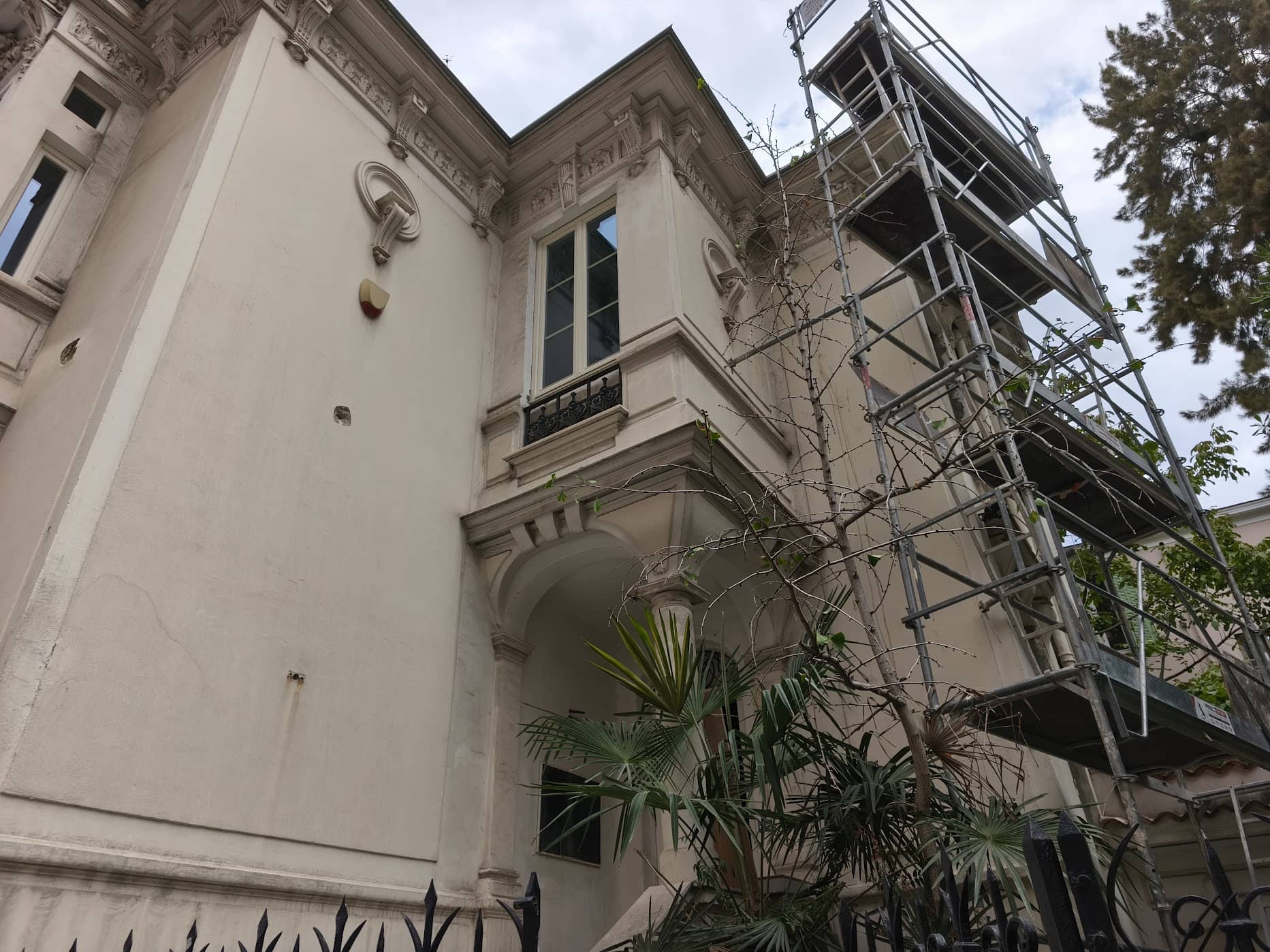
- Many companies use rented scaffolding, paid hourly or monthly.
- If the renovation duration is miscalculated, scaffolding rental may end up twice as expensive as planned.
- Careful planning and adherence to deadlines directly affect project costs and work efficiency.
If the contractor initially underestimates costs or miscalculates material volume, scaffolding rental, and demolition scope, it leads to serious problems. A budget shortage may prevent the company from completing restoration within the contract, leaving the owner with halted works, revised estimates, and additional charges. Correct calculations and a transparent estimate are not formalities but a guarantee that the project will be completed on time, without unexpected costs or compromises in quality.
Ultimately, choosing a contractor is not just about price but also reliability, work quality, and proper planning. On the French Riviera, it is particularly important to trust only verified companies that consider facade complexity, estimate work volume in advance, and plan timelines taking all nuances into account. This helps avoid unexpected additional costs and quality issues.

What a typical estimate for facade restoration on the southern coast of France usually includes
The estimate covers not only the facade work itself but also related expenses. Typical items include:
-
cleaning and sanding of facades;
-
opening and filling cracks;
-
restoration of plaster with lime-based mortars;
-
application of primer and mineral paint in two coats;
-
repair and painting of cornices, columns, and balusters;
-
painting of metal railings and grilles;
-
removal of construction debris and transportation of materials;
-
insurance of works.
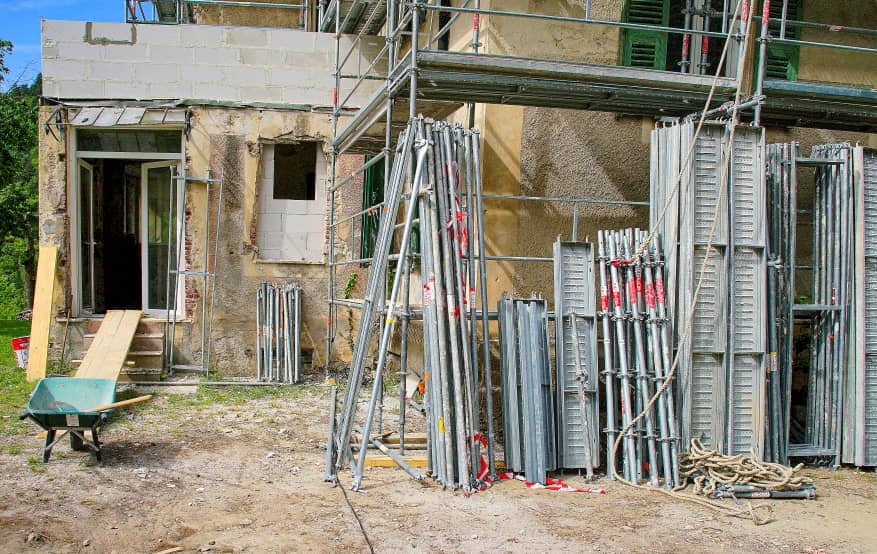
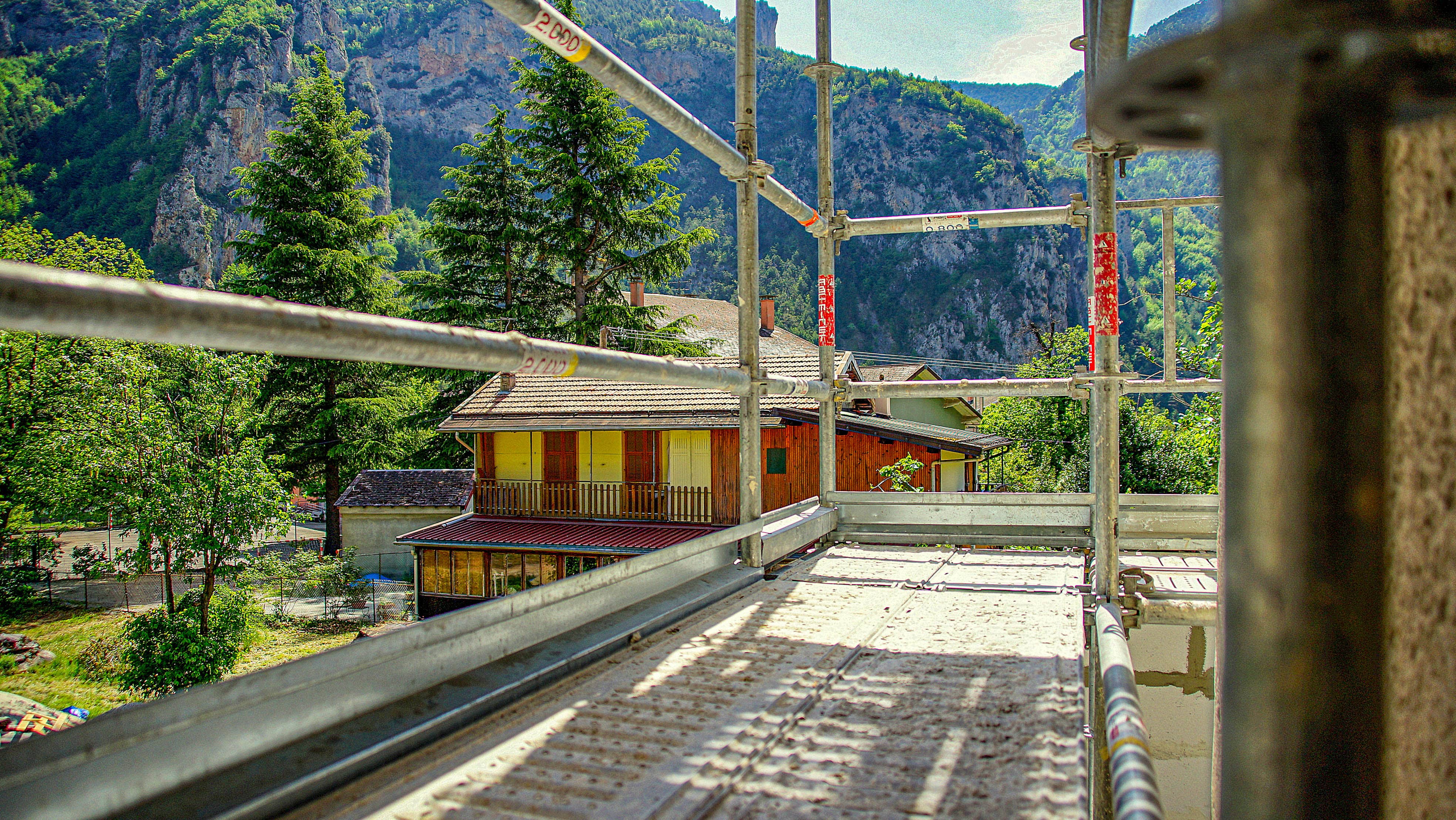
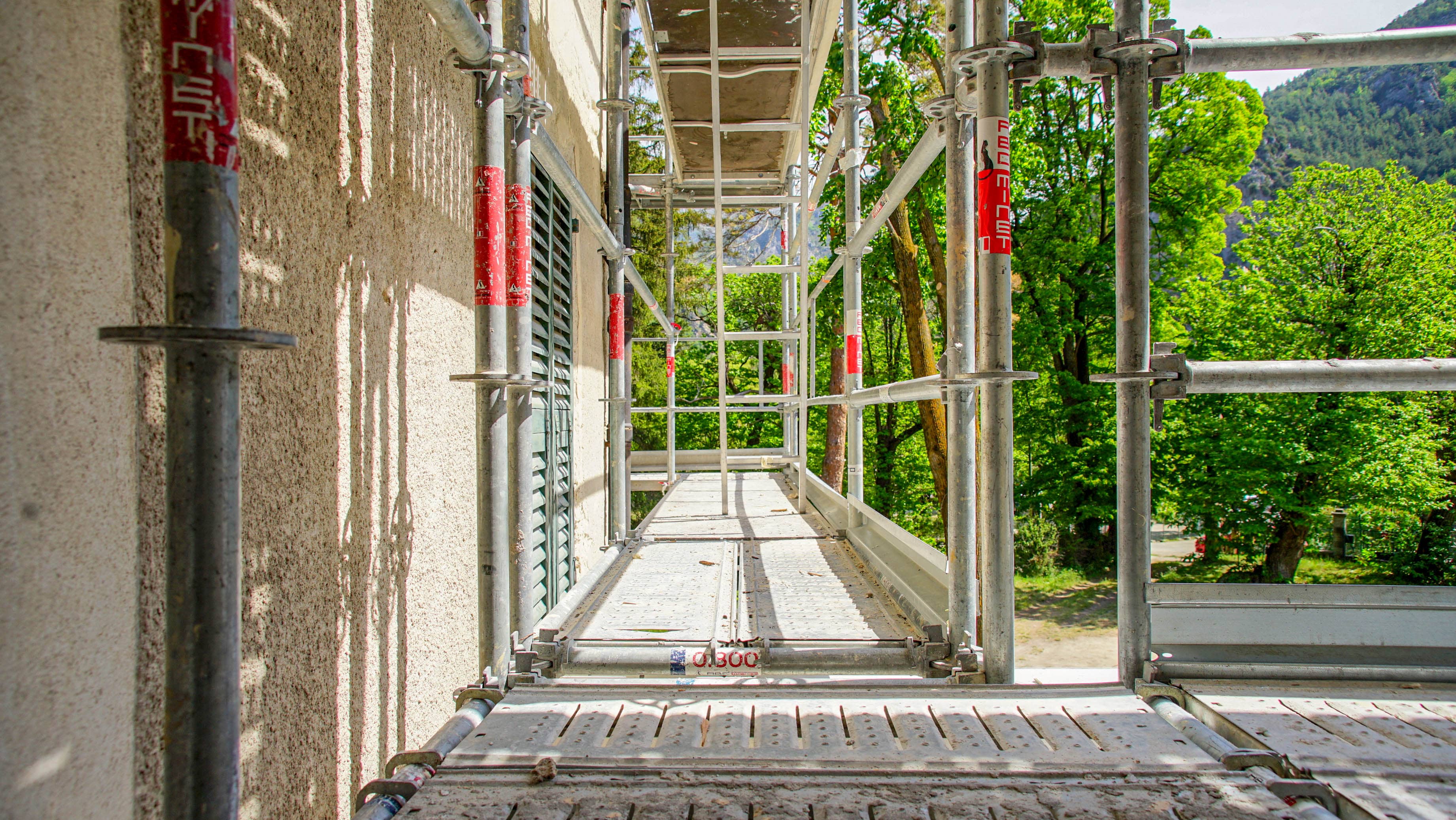
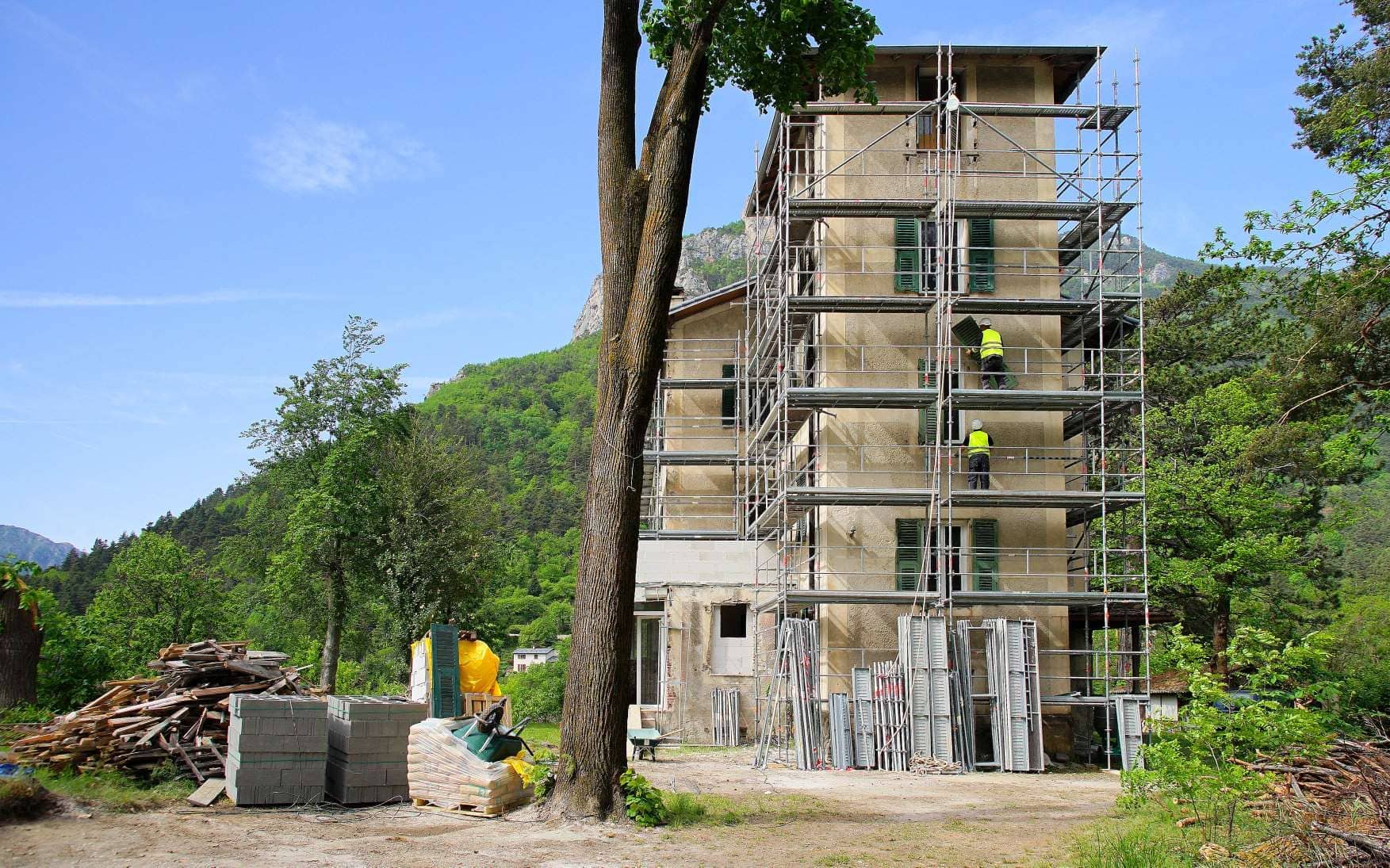
Scaffolding rental can be listed as a separate item. Installing scaffolding requires permission from city hall, and installation and dismantling are performed only by specialized companies with a license and insurance. Even the contractor executing the facade work may not always be allowed to install scaffolding themselves without the proper permit.
Execution of works: how to make the facade durable
To ensure a durable and reliable facade renovation, it is important to follow three key principles:
Roof repair before facade restoration
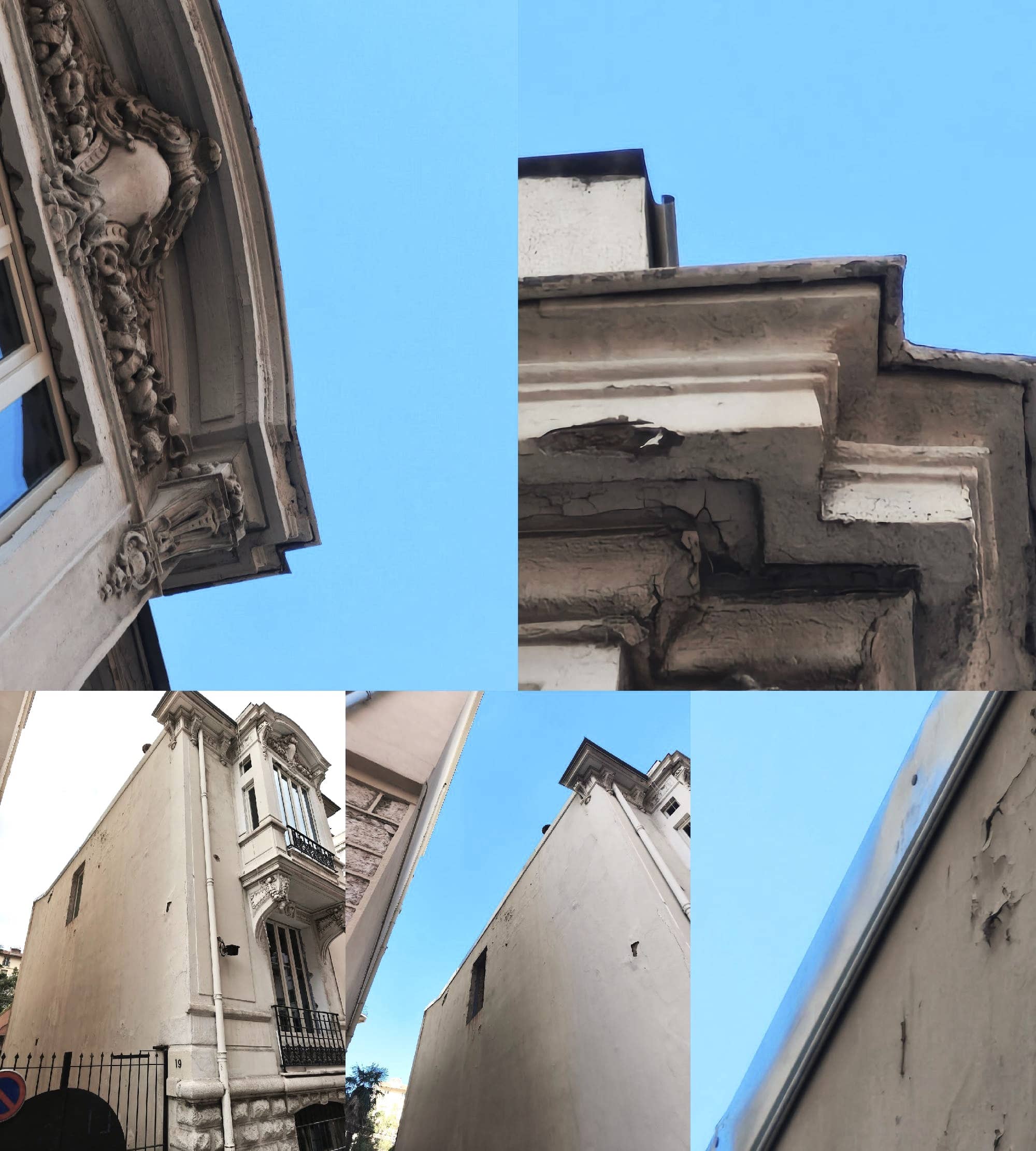
Facade deterioration almost always starts from the top due to roof leaks and faulty drainage. If the roof does not properly channel rainwater, it runs down the walls, penetrates under the plaster, washes out joints, and corrodes embedded elements. Therefore, before facade restoration on the French Riviera, architects always assess the roof and gutter system. All moisture sources must be eliminated first — roof repair, flashings, and drains — before starting facade works. Otherwise, even a perfect new finish will quickly deteriorate, requiring a redo.
Using high-quality materials
Facade durability directly depends on materials. Recommended are:
- Mineral plasters — highly vapor-permeable, moisture-resistant, and durable against temperature fluctuations.
- Acrylic and silicone plasters — elastic, protect against cracks, UV-resistant, and weatherproof.
- Primers and waterproofing compounds — improve adhesion and protect walls from moisture.
- Decorative coatings and fade-resistant paints — preserve the facade’s aesthetic for many years.
Following correct work technologies and sequence
- The facade surface is thoroughly cleaned of old plaster, dirt, and dust.
- If necessary, reinforcement and leveling of walls are performed.
- Material layers are applied strictly according to the manufacturer’s instructions, with mandatory drying times between stages.
- Special attention is given to corners, window and door reveals, cornices, and roof junctions — the most vulnerable areas.
By following these principles, the facade will last a long time, require less frequent repairs, and maintain its aesthetic appearance, while the correct sequence minimizes the risk of damage and cracks.
Inspection and acceptance of facade works
The architect who developed the project usually continues supervising the works and performs author supervision.
They ensure that:
-
materials specified in the permit are used;
-
colors correspond to the approved codes;
-
decorative elements are restored according to original samples.
Upon completion, an acceptance report is drawn up, and the city hall may carry out a final inspection to verify that the facade complies with the project.
What a building owner should know for facade restoration on the French Riviera
-
Any facade work requires an architectural project and prior permission.
-
The architect selects colors and materials according to the city’s nuancier.
-
Work is performed only by a licensed contractor with valid insurance.
-
Scaffolding installation requires a separate permit.
-
After completion, inspection by the city hall or ABF is possible.
Conclusion
Facade renovation on the French Riviera is not just a repainting, but a strictly regulated process. It combines respect for architectural heritage, use of eco-friendly materials, and strict administrative procedures.
From the architect to the contractor, from plaster analysis to the last layer of lime paint — each stage is monitored and documented.
This is why historic buildings on the coast look so well-maintained: here, beauty is the result of a system, not chance.
Our architect-designers work as a single team with professional hotel managers, construction engineers, specialists in electricity, heating, water supply, ventilation, and air conditioning, as well as furniture production experts — ALL IN ONE COMPANY. This allows for full consultation during the project development stage, project approval with contractors, and accurate cost estimation.
A dedicated team of experienced specialists will work on your project, knowing how to create a project from scratch and effectively implement it — professional hotel managers, architects, designers, engineers, builders, procurement managers.
We do not just design, build, and furnish apartments — we create to take pride in!
Looking for the best team to design and renovate your apartment or villa on the French Riviera? Civilly specialists will do everything possible!

 View my LinkedIn profile